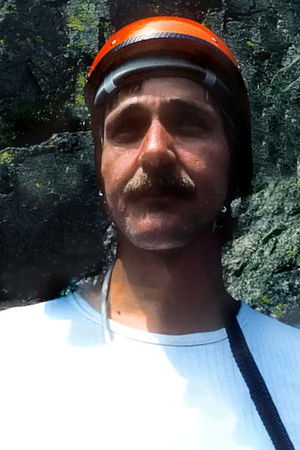
Pete Whillance
Pete Whillance, born in 1948, is an iconic British climber and a quiet pioneer of committing traditional climbing in the UK during the 1970s and 80s. Known for his daring style and ability to remain calm on highly exposed routes, he established some of Britain’s most challenging and feared trad routes, helping to define the standards of commitment and risk in British climbing. A prolific climber, he is credited with approximately 1,400 new routes established over more than six decades, making him one of the most productive route setters in the history of UK climbing. His career began within the context of a British climbing scene dominated by trad crags, where protection is placed by the climber themselves, and Whillance quickly distinguished himself through his penchant for technical, poorly protected, and psychologically demanding faces. Throughout the late 1970s and 1980s, Pete Whillance forged a reputation as a top-level mountaineer operating "on the edge," both technically and mentally. His routes became benchmark objectives for subsequent generations, often cited as difficult, exposed, and highly sought-after by the best British climbers. Despite this aura, Whillance remains a rather discreet figure, far removed from any media hype, which contributes to cultivating an almost mythical image within the traditional climbing community. His thoughtful yet deliberate approach to risk has inspired numerous filmmakers and climbers, to the point of becoming the subject of a recent documentary that retraces his career and how he views commitment on the rock face. In 2016, at the age of seventy-five, Pete Whillance continued to climb and establish new routes, demonstrating exceptional longevity in a world where motivation and physical endurance often erode with age. Still driven by the same passion for discovery and the aesthetics of natural lines, he remains a benchmark for many British climbers who see him as the embodiment of authentic climbing, focused on exploration, calculated risk-taking, and creativity. His legacy is evident as much in the number and quality of his routes as in the culture of British trad climbing, where the ethic of commitment and respect for the rock occupies a central place, largely shaped by route developers of his caliber.
Known For

Credits
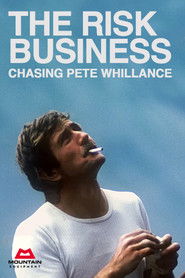
- 2024 · The Risk Business - Chasing Pete Whillance as Self
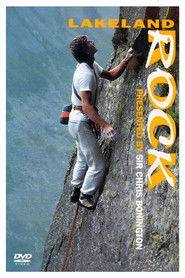
- 1990 · Lakeland Rock as Self
- 1985 · Incantations as Self